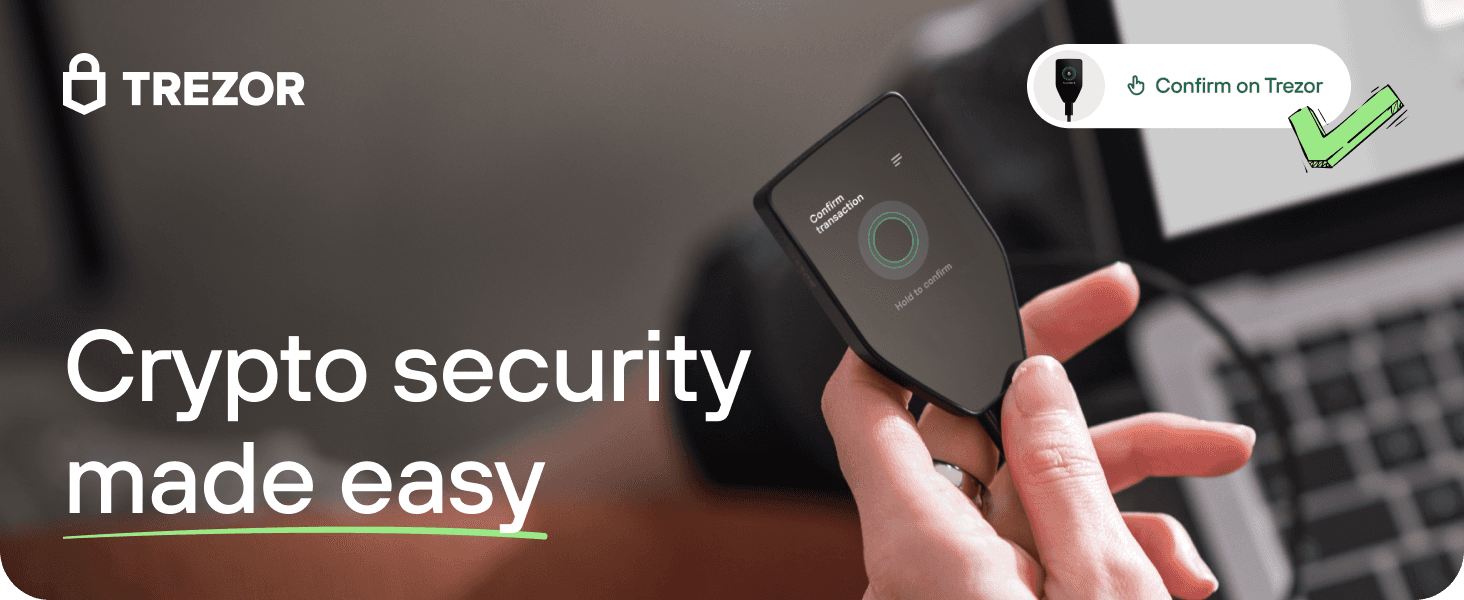
Trezor Suite: The Complete Guide to Managing Your Cryptocurrency Safely
Cryptocurrency ownership comes with a unique responsibility: you must safeguard your private keys. Trezor hardware wallets, such as Trezor One and Trezor Model T, provide secure offline storage for your assets. However, to manage your wallets, monitor balances, and perform transactions efficiently, you need dedicated software. That software is Trezor Suite.
This guide explains what Trezor Suite is, why it is essential for cryptocurrency management, how to set it up, and the best practices to use it securely. It is a comprehensive resource for both beginners and experienced users, designed to help you fully understand and utilize Trezor Suite.
What Is Trezor Suite?
Trezor Suite is a desktop and web-based application that serves as the primary interface for managing your Trezor hardware wallet. It allows you to:
Securely add and manage cryptocurrency accounts
Monitor your balances and transaction history
Send and receive cryptocurrency
Install and manage blockchain-specific apps on your Trezor device
Update firmware and ensure device authenticity
Interact safely with supported third-party services
Trezor Suite is designed to enhance both security and usability. It provides a single interface for interacting with your Trezor device without exposing private keys to the internet. All sensitive operations, such as signing transactions, occur on the hardware wallet itself, keeping your assets secure.
Why Trezor Suite Is Important
Managing cryptocurrency safely requires more than just a hardware wallet. Trezor Suite plays a critical role for several reasons:
1. Secure Transactions
Every transaction you make is signed on the Trezor device, not on your computer. Trezor Suite communicates with the device securely, ensuring that your private keys never leave the hardware wallet.
2. Centralized Account Management
Trezor Suite allows you to manage multiple accounts across different blockchains from one interface. You can track balances, receive funds, and prepare transactions without juggling multiple wallets or applications.
3. Firmware Management
The application provides a streamlined process for updating your Trezor device firmware. Regular updates are crucial for security, and Trezor Suite ensures that updates are verified and installed safely.
4. Enhanced Security Features
Trezor Suite includes additional security measures, such as phishing detection and address verification, to help prevent common cryptocurrency scams. It acts as a secure intermediary between your hardware wallet and the blockchain.
5. User-Friendly Interface
Trezor Suite is designed to be intuitive. It provides clear instructions for setup, transaction management, and device maintenance, making it accessible for users at all levels.
Preparing to Use Trezor Suite
Before using Trezor Suite, ensure you have:
A genuine Trezor hardware wallet (Trezor One or Model T)
A computer running Windows, macOS, or Linux
A stable internet connection
The USB cable provided with your Trezor device
Administrative access to install software on your computer
Pen and paper or the included recovery sheet for backup
Having these items ready ensures a smooth and secure setup process.
Installing Trezor Suite
Follow these steps to install Trezor Suite:
1. Download Trezor Suite
Obtain the application from the official source to ensure authenticity. Choose the correct version for your operating system.
2. Run the Installer
On Windows: Run the
.exefile and follow on-screen instructions.On macOS: Open the
.dmgfile and drag Trezor Suite to your Applications folder.On Linux: Install the appropriate
.debor.tar.gzpackage according to your distribution.
Administrative privileges are required during installation.
3. Launch Trezor Suite
Once installed, open the application. The interface will guide you through connecting your Trezor device and completing initial setup.
Connecting Your Trezor Device
Connect your Trezor wallet using the USB cable. Trezor Model T may also support USB-C connections.
Follow on-screen prompts in Trezor Suite to detect your device.
Confirm the connection on the Trezor device itself.
Trezor Suite communicates securely with your hardware wallet through an intermediary application called Trezor Bridge, ensuring that all sensitive data remains protected.
Setting Up Your Wallet in Trezor Suite
1. Initialize a New Device
If you are using a new Trezor:
Select Set up as a new device in Trezor Suite
The device will prompt you to create a PIN
Generate a recovery seed on the device and confirm it
2. Restore Existing Wallet
If you have a previous Trezor wallet:
Select Recover wallet
Enter your recovery seed directly on the device
Trezor Suite will verify the seed and allow you to manage your accounts
Your private keys remain secure on the hardware wallet during this process.
3. Create a PIN Code
The PIN protects your device from unauthorized access. Choose a secure PIN and never share it. All PIN operations are encrypted and occur on the device itself.
4. Generate and Secure Recovery Seed
The recovery seed is critical for restoring your wallet if the device is lost or damaged. Write it down on the provided recovery sheet or another secure medium. Never store the seed digitally or share it.
Adding and Managing Cryptocurrency Accounts
Once your device is initialized:
Use Trezor Suite to install apps for specific cryptocurrencies supported by your device.
Add accounts for each cryptocurrency within Trezor Suite.
Monitor balances and transaction history for each account.
Trezor Suite allows you to manage multiple cryptocurrencies from one interface without exposing private keys.
Sending and Receiving Cryptocurrency
Receiving Funds
Generate a receiving address in Trezor Suite
Confirm the address on your device
Share the address to receive funds securely
Sending Funds
Enter the recipient address and amount in Trezor Suite
Review transaction details carefully
Confirm the transaction on your Trezor device
All transaction signing occurs on the device, ensuring that malware on your computer cannot alter the transaction.
Firmware Updates
Firmware updates are essential for security. Trezor Suite makes updating your device straightforward:
Connect your device to Trezor Suite
If an update is available, the application will prompt you
Follow the instructions to update firmware securely
Verify the update on the device
Never install firmware from unofficial sources, as this could compromise your wallet.
Security Best Practices with Trezor Suite
Even with a hardware wallet and Trezor Suite, security remains your responsibility. Key practices include:
Keep Software Updated: Regularly update Trezor Suite and firmware.
Verify Device Authenticity: Always check firmware and device integrity.
Protect Your Recovery Seed: Store it offline in a secure location.
Use Trusted Computers: Avoid using public or untrusted devices.
Confirm Transactions on the Device: Always check addresses and amounts.
Be Cautious with Third-Party Apps: Only connect to verified platforms.
Following these practices minimizes the risk of loss or theft.
Advanced Features in Trezor Suite
Trezor Suite offers advanced functionality for more experienced users:
Portfolio Overview: Track multiple accounts and cryptocurrencies in one view.
Transaction History and Export: Review past transactions and export records for tax or accounting purposes.
Device Management: Manage firmware, device settings, and PIN codes.
Third-Party Integration: Interact with supported exchanges, decentralized finance applications, or staking services safely.
All advanced operations maintain the highest security standards, with private keys remaining on the hardware wallet.
Troubleshooting Common Issues
Users may occasionally encounter problems while using Trezor Suite. Solutions include:
Device not detected: Ensure Trezor Bridge is installed and running. Try reconnecting the device.
Firmware update errors: Restart Trezor Suite and reconnect the device. Ensure you have the latest version.
Transaction issues: Verify the recipient address and amount. Confirm the transaction on the device screen.
Software crashes: Restart the application and ensure your computer meets minimum system requirements.
Following official instructions and using trusted devices prevents most issues.
Recovering Your Wallet
If your Trezor device is lost or damaged:
Obtain a new Trezor device.
Connect it to Trezor Suite.
Select Recover wallet and enter your recovery seed directly on the device.
Reinstall cryptocurrency apps and accounts in Trezor Suite.
With your recovery seed, your wallet and funds can be restored securely.
Everyday Tips for Using Trezor Suite
Use Trezor Suite only on trusted devices.
Perform small test transactions when using new features or sending funds to new addresses.
Regularly back up your recovery seed offline.
Keep Trezor Suite and firmware updated.
Monitor for phishing attempts or suspicious third-party applications.
These habits ensure that your cryptocurrency remains secure.
Conclusion
Trezor Suite is an essential tool for securely managing cryptocurrency with a Trezor hardware wallet. It provides a user-friendly interface for adding accounts, sending and receiving funds, monitoring balances, and maintaining firmware updates. All sensitive operations occur on the hardware device, keeping private keys safe from online threats.
By following setup instructions, maintaining security best practices, and using Trezor Suite’s advanced features responsibly, you can confidently manage your cryptocurrency holdings. Hardware wallets combined with Trezor Suite offer one of the highest levels of security available in the cryptocurrency ecosystem, giving users peace of mind and full control over their digital assets.