The Ultimate Beginner’s Guide to Trezor Suite: Setup, Features, and Usage
Introduction
Cryptocurrency offers remarkable opportunities, but managing and securing digital assets is a crucial responsibility. While exchanges and software wallets are convenient, they can be vulnerable to hacks, malware, and phishing attacks. Hardware wallets provide a secure solution, and Trezor is among the most trusted devices for safeguarding crypto.
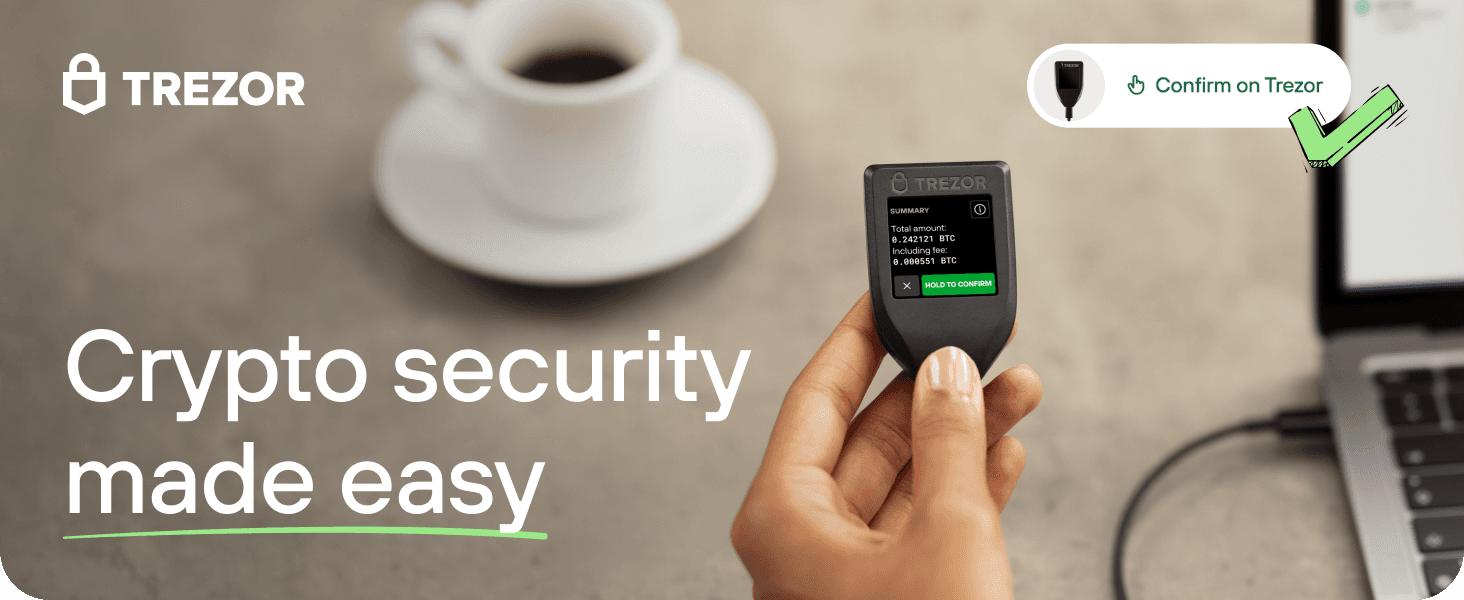
Trezor Suite is the official desktop and mobile application for Trezor hardware wallets. It acts as the primary interface for managing accounts, performing transactions, installing apps, and updating device firmware. This guide provides a complete, step-by-step explanation of Trezor Suite, including installation, setup, features, and best practices to ensure safe and effective use.
1. Understanding Trezor Suite
Trezor Suite is a companion software that connects your Trezor device to your computer or mobile device. It serves as the central hub for managing your digital assets securely.
1.1 Key Functions
Account Management: Add, organize, and view balances for multiple cryptocurrencies.
Transaction Signing: Securely approve transactions without exposing private keys.
Portfolio Tracking: Monitor your assets, history, and performance.
Firmware Updates: Keep your Trezor device secure and up-to-date.
Security Checks: Verify device authenticity and ensure safe operation.
Trezor Suite works with both Trezor Model One and Model T, providing a seamless interface across different cryptocurrencies.
2. System Requirements for Trezor Suite
Before installing Trezor Suite, ensure your device and system meet the following requirements:
Operating System: Windows 8 or later, macOS 10.12 or later, or supported Linux distributions.
Internet Connection: Required for downloading software and updating firmware.
Administrator Access: Needed for installing software on desktop systems.
Trezor Hardware Wallet: Either Model One or Model T.
Having these prerequisites ensures a smooth installation and optimal performance.
3. Downloading and Installing Trezor Suite
3.1 Downloading the Software
Trezor Suite should be downloaded from a trusted source. Ensure that you select the version compatible with your operating system. Avoid third-party sources to prevent malware or tampered files.
3.2 Installation Process
For Windows:
Open the downloaded
.exefile.Follow the installation wizard prompts.
Grant administrative permissions if requested.
Complete the installation and launch Trezor Suite.
For macOS:
Open the downloaded
.dmgfile.Drag the Trezor Suite icon to the Applications folder.
Approve security permissions if prompted.
Launch Trezor Suite from the Applications folder.
For Linux:
Extract the downloaded
.tar.gzor.AppImagefile.Grant execution permissions if necessary.
Launch Trezor Suite and follow on-screen prompts.
Proper installation ensures that your Trezor device communicates securely with your computer.
4. Connecting Your Trezor Device
After installing Trezor Suite:
Connect your Trezor device to the computer using the USB cable.
Launch Trezor Suite.
The software will detect the device and prompt for setup.
Trezor Suite uses secure protocols to communicate with the hardware wallet, ensuring that private keys never leave the device.
5. Setting Up a New Wallet in Trezor Suite
When connecting a new Trezor device:
Choose between creating a new wallet or restoring an existing wallet.
If creating a new wallet, generate a recovery phrase—a series of 12 or 24 words.
Carefully write down the recovery phrase and store it securely.
Set a PIN code on the device to protect against unauthorized access.
The recovery phrase is the most critical part of wallet security. It must be kept offline and never shared with anyone.
6. Restoring a Wallet Using Trezor Suite
If you already have a Trezor wallet:
Choose the option to restore using the recovery phrase.
Enter the 12 or 24 words in the correct order.
Confirm and synchronize accounts in Trezor Suite.
Restoring a wallet allows you to regain access to your funds on a new or reset device.
7. Managing Cryptocurrency Accounts
Trezor Suite allows users to manage multiple accounts for different cryptocurrencies:
Add Accounts: Create accounts for each cryptocurrency you hold.
View Balances: Check real-time balances and transaction history.
Account Organization: Rename and categorize accounts for better management.
Synchronization: Trezor Suite connects with blockchain networks to ensure accurate data.
Account management is secure because all signing operations occur on the Trezor device, keeping private keys offline.
8. Receiving Cryptocurrency
To receive crypto:
Select the account in Trezor Suite.
Click “Receive” to generate a unique address.
Verify the address on the Trezor device screen.
Share the address with the sender.
Verifying addresses on the device prevents malware from replacing the address with a fraudulent one.
9. Sending Cryptocurrency
Sending funds through Trezor Suite involves secure steps:
Open the account from which you want to send crypto.
Enter the recipient’s address and transaction amount.
Review transaction fees and details.
Confirm the transaction on the Trezor device.
Trezor Suite ensures that private keys never leave the device and all sensitive operations are executed securely.
10. Firmware Updates in Trezor Suite
Keeping your Trezor device updated is essential for security:
Trezor Suite detects available firmware updates.
Connect the device and follow on-screen instructions.
Confirm updates on the device itself.
Do not disconnect the device until the update is complete.
Firmware updates improve security, add new features, and ensure compatibility with the latest cryptocurrencies.
11. Advanced Features of Trezor Suite
Trezor Suite offers additional functionality beyond basic transactions:
Staking: Participate in staking for supported cryptocurrencies.
Token Swaps: Exchange cryptocurrencies securely through integrated services.
Third-Party Wallet Integration: Connect with external wallets while keeping keys secure.
Portfolio Tracking: Monitor the performance of all your assets in one place.
These features make Trezor Suite more than just a wallet management tool; it becomes a central hub for cryptocurrency management.
12. Security Best Practices for Trezor Suite
Even with secure software, proper user practices are essential:
Keep your recovery phrase offline and secure.
Verify transaction details on the Trezor device before confirming.
Avoid phishing attempts and never share your recovery phrase.
Use trusted computers and devices.
Regularly update Trezor Suite and your device firmware.
Following these practices ensures maximum security for your digital assets.
13. Troubleshooting Common Trezor Suite Issues
Some common issues and solutions include:
Device Not Recognized: Ensure Trezor Suite is installed correctly, the USB cable is functional, and the device is powered on.
Connection Errors: Restart Trezor Suite or the computer, and check firewall/antivirus settings.
Outdated Software: Verify that Trezor Suite and firmware are up-to-date.
Multiple Device Conflicts: Disconnect other USB devices that may interfere with detection.
Most issues can be resolved with these steps, ensuring smooth usage.
14. Using Trezor Suite With Third-Party Services
Trezor Suite allows integration with external wallets and decentralized finance platforms:
Connect your Trezor device to the third-party interface.
Sign transactions securely on the device.
Keep private keys offline while interacting with external services.
This ensures secure participation in advanced crypto activities without compromising safety.
15. Backup and Recovery in Trezor Suite
Trezor Suite emphasizes the importance of backups:
Recovery Phrase: The primary method to restore your wallet.
Device Reset: Trezor Suite allows secure device reset while keeping funds recoverable using the recovery phrase.
Multiple Backups: Consider storing recovery phrases in multiple secure locations.
Proper backup and recovery practices are critical for long-term asset security.
16. Conclusion
Trezor Suite is a powerful, user-friendly software application that enhances the functionality and security of Trezor hardware wallets. It provides a secure interface for managing accounts, performing transactions, updating firmware, and integrating with third-party services.
By following proper installation, setup, and security practices, users can safely manage multiple cryptocurrencies while keeping private keys offline. Trezor Suite transforms the hardware wallet experience into a seamless and secure platform for both beginners and advanced users, offering confidence in safeguarding digital assets.