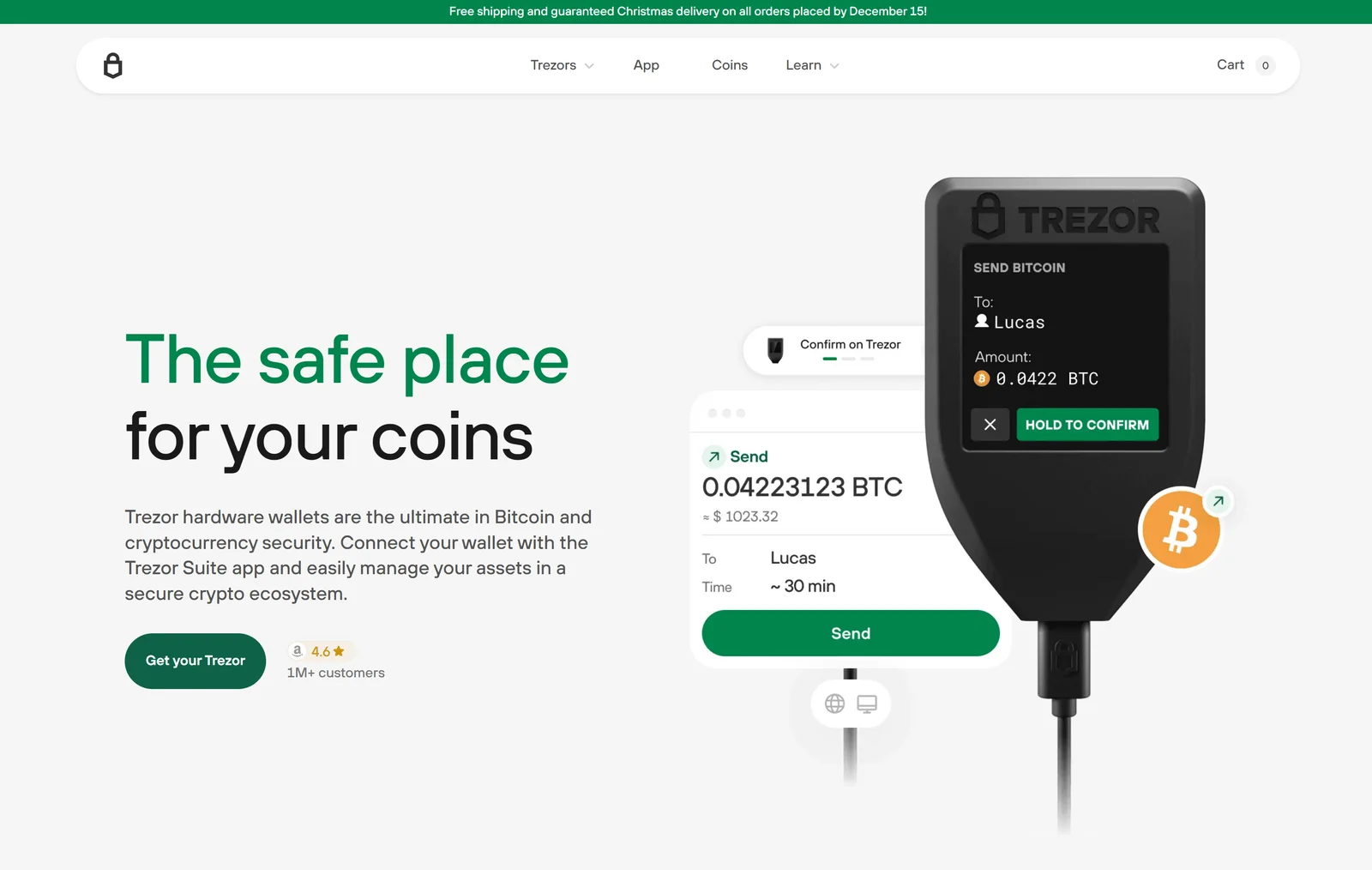
Trezor Suite – The Complete Guide to Managing Your Cryptocurrency Securely
Cryptocurrency security starts with controlling your private keys, and hardware wallets like Trezor make this process safer by storing keys offline. However, managing your assets efficiently requires more than just a hardware device. That’s where Trezor Suite comes in. Trezor Suite is the official desktop and mobile application that allows users to manage multiple cryptocurrency accounts, monitor balances, send and receive assets, and update their device securely.
This guide explores Trezor Suite in detail, explaining how it works, how to set it up safely, and the best practices to protect your crypto holdings.
What Is Trezor Suite?
Trezor Suite is the official software application designed to work with Trezor hardware wallets. It serves as a bridge between your Trezor device and your computer or mobile device, providing a secure interface to manage cryptocurrency accounts. Unlike web wallets, Trezor Suite ensures your private keys never leave the hardware device, adding an extra layer of security.
Trezor Suite provides the following key functions:
Account Management: View and manage multiple cryptocurrency accounts in one place.
Transaction Management: Send and receive funds securely.
Portfolio Overview: Monitor balances and transaction history.
Firmware Updates: Keep your Trezor device up to date safely.
Device Configuration: Adjust settings and preferences for your hardware wallet.
The software is compatible with Windows, macOS, Linux, and mobile devices, allowing users to access their wallets across platforms.
Why Trezor Suite Is Important
Using a hardware wallet alone is not enough to efficiently manage cryptocurrency. Trezor Suite is important because it:
Ensures Security: Private keys remain stored offline on the Trezor device.
Centralizes Management: Users can manage multiple cryptocurrencies and accounts from a single application.
Facilitates Transactions: Sending and receiving funds is straightforward and secure.
Simplifies Updates: Firmware and app updates are managed through Trezor Suite.
Enhances User Experience: Intuitive interface makes it easy for beginners and experienced users to navigate their crypto holdings.
Trezor Suite effectively combines the security of hardware wallets with the convenience of modern software management.
Installing Trezor Suite
Proper installation is critical to ensure the security of your cryptocurrency.
1. Download the Official Application
Always download Trezor Suite from the official source. Avoid third-party downloads or links in emails or social media messages, as these may be compromised.
2. Install on Your Device
Follow the installation instructions for your operating system:
Windows: Run the downloaded installer and follow the on-screen instructions.
macOS: Open the package and move Trezor Suite to your Applications folder.
Linux: Follow command-line or package instructions for your distribution.
Mobile Devices: Download the official mobile application from trusted app stores.
Grant any permissions requested by the system to allow proper communication between the software and your hardware wallet.
3. Connect Your Trezor Device
After installation, connect your Trezor wallet using the supplied USB cable or supported Bluetooth connection. Ensure the device is powered on, and follow on-screen prompts in Trezor Suite to establish a secure connection.
Setting Up Trezor Suite
Once connected, Trezor Suite guides you through setup. If this is your first time using the device:
Create a PIN: The device will prompt you to create a secure PIN for unlocking your wallet.
Generate a Recovery Seed: Your Trezor device will generate a recovery seed, usually consisting of 12, 18, or 24 words. This seed is the key to restoring your wallet if the device is lost or damaged.
Verify the Recovery Seed: Trezor Suite will ask you to confirm your recovery seed to ensure it is recorded correctly.
Always store your recovery seed offline and never share it with anyone. It is the most important security component of your wallet.
Managing Cryptocurrency Accounts
Trezor Suite supports a wide range of cryptocurrencies, including Bitcoin, Ethereum, and many other major coins and tokens. After setup, you can add multiple accounts for each supported cryptocurrency.
Adding Accounts
Open Trezor Suite and select “Add Account.”
Choose the cryptocurrency you want to manage.
The software will create an account linked securely to your Trezor device.
Accounts can be renamed or organized according to your preference, providing a clear overview of your portfolio.
Viewing Balances and Transaction History
Trezor Suite provides a dashboard that displays:
Total balances for each cryptocurrency account.
Transaction history including date, time, and amounts sent or received.
Portfolio performance over time.
This dashboard gives users a clear, centralized view of all crypto holdings.
Sending and Receiving Cryptocurrency
Receiving Funds
Select the account you wish to receive funds into.
Click “Receive” to generate a wallet address.
Verify the address on your Trezor device to ensure it matches what is displayed on the screen.
Share the verified address with the sender.
Sending Funds
Enter the recipient’s address and the amount to send.
Review all transaction details carefully.
Confirm the transaction on your Trezor device.
All transactions are only finalized once verified on the hardware wallet. This ensures that private keys remain secure even if your computer is compromised.
Firmware Updates and Device Management
Trezor Suite simplifies the process of keeping your hardware wallet up to date:
Check for Firmware Updates: Trezor Suite automatically notifies users when a new firmware version is available.
Update Device Securely: Follow the prompts to install updates safely.
Configure Device Settings: Adjust settings such as passphrase usage, display options, and device name.
Keeping your device updated ensures maximum security and access to the latest features.
Advanced Features of Trezor Suite
Trezor Suite offers advanced features for users who want more control over their cryptocurrency:
Passphrase Protection: Add an extra layer of security by using a passphrase in addition to your recovery seed.
Coin Control: Manage which specific coins are used for transactions, allowing for more precise spending.
Multiple Device Support: Connect and manage multiple Trezor devices simultaneously.
Third-Party Wallet Integration: Trezor Suite works with compatible third-party wallets to expand functionality.
Staking and DeFi: Some supported cryptocurrencies allow staking or decentralized finance interactions through Trezor Suite.
These features enhance the utility and flexibility of the hardware wallet while maintaining security.
Security Best Practices When Using Trezor Suite
While Trezor Suite provides secure management of cryptocurrency, users should follow additional best practices:
Never Share Recovery Seed or Passphrase: Your recovery seed and passphrase are the keys to your assets. Store them offline and securely.
Verify All Transactions: Always confirm transaction details on the Trezor device screen.
Keep Software Updated: Regularly update both Trezor Suite and your Trezor device firmware.
Use Secure Computers and Networks: Avoid public computers and unsecured Wi-Fi connections when managing your wallet.
Test Small Transactions: Before sending large amounts, test with smaller transactions to ensure everything works correctly.
Following these practices protects your cryptocurrency from most common threats.
Common Troubleshooting Tips
Even experienced users may encounter issues with Trezor Suite. Common troubleshooting steps include:
Device Not Recognized: Ensure Trezor Suite is installed correctly and the device is connected. Try a different USB port or cable.
Failed Transactions: Verify the recipient address and confirm all details on the device screen.
Firmware Update Issues: Ensure a stable power connection and avoid disconnecting the device during updates.
Multiple Devices: If using more than one Trezor device, ensure the correct device is selected in Trezor Suite.
These steps usually resolve most common issues.
Why Trezor Suite Is Essential
Trezor Suite bridges the gap between offline security and digital convenience. It allows users to manage assets efficiently without compromising the security of private keys. Without Trezor Suite, users would have limited ability to interact with multiple cryptocurrencies, monitor their portfolios, or update device firmware easily.
By combining security, usability, and advanced features, Trezor Suite ensures that both beginner and advanced users can manage cryptocurrency safely and efficiently.
Long-Term Use and Security Tips
To maximize security over the long term:
Store recovery seeds and passphrases in secure, offline locations.
Avoid sharing your device with untrusted individuals.
Maintain updated antivirus and firewall protection on your devices.
Regularly review security practices and Trezor Suite updates.
Back up wallet settings and configurations where appropriate.
These practices complement the security provided by the hardware wallet and Trezor Suite, ensuring ongoing protection.
Conclusion
Trezor Suite is an essential tool for anyone using a Trezor hardware wallet. It provides a secure, intuitive, and comprehensive interface to manage cryptocurrency accounts, monitor balances, send and receive funds, and update devices safely.
By following proper setup procedures, verifying transactions, and adhering to security best practices, users can ensure their crypto assets remain protected. Trezor Suite combines the security of offline hardware wallets with the convenience of modern software management, making it a critical component of responsible cryptocurrency ownership.
Properly using Trezor Suite ensures peace of mind, efficiency, and security in managing digital assets, making it indispensable for anyone serious about cryptocurrency.